
Features

 How to Watch Philadelphia SX and Hoosier GNCCTV and online broadcast schedules, championship standings, live timing links, and more for round 15 of supercross and round six of GNCC Racing.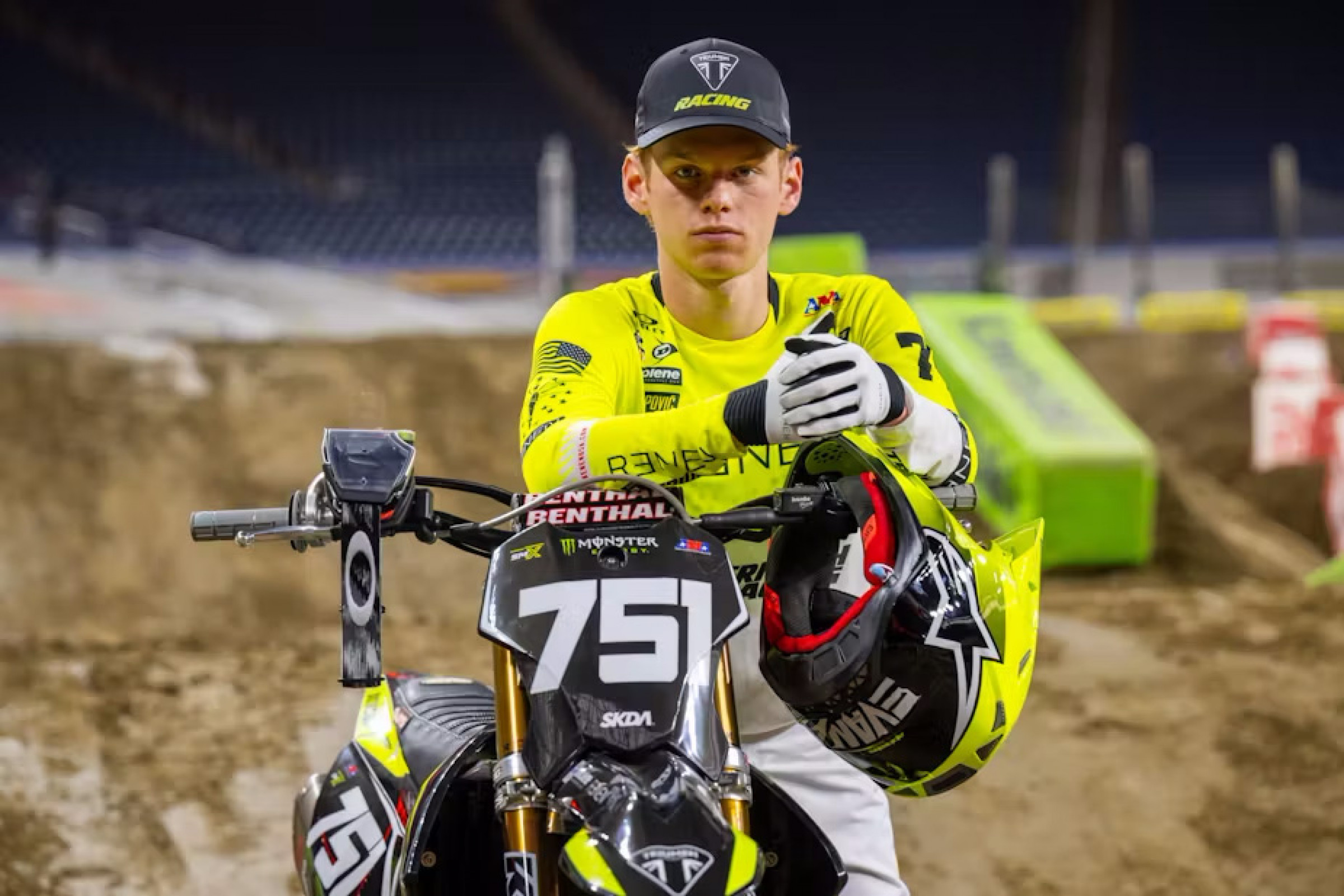
 Open Mic Evan Ferry On Leaving Triumph"Seeing all the comments and everything, it’s almost more motivation because at this point, all of it obviously doesn’t really matter."
 Injury Report PhiladelphiaFerrandis, Hammker in, McAdoo out for Philadelphia.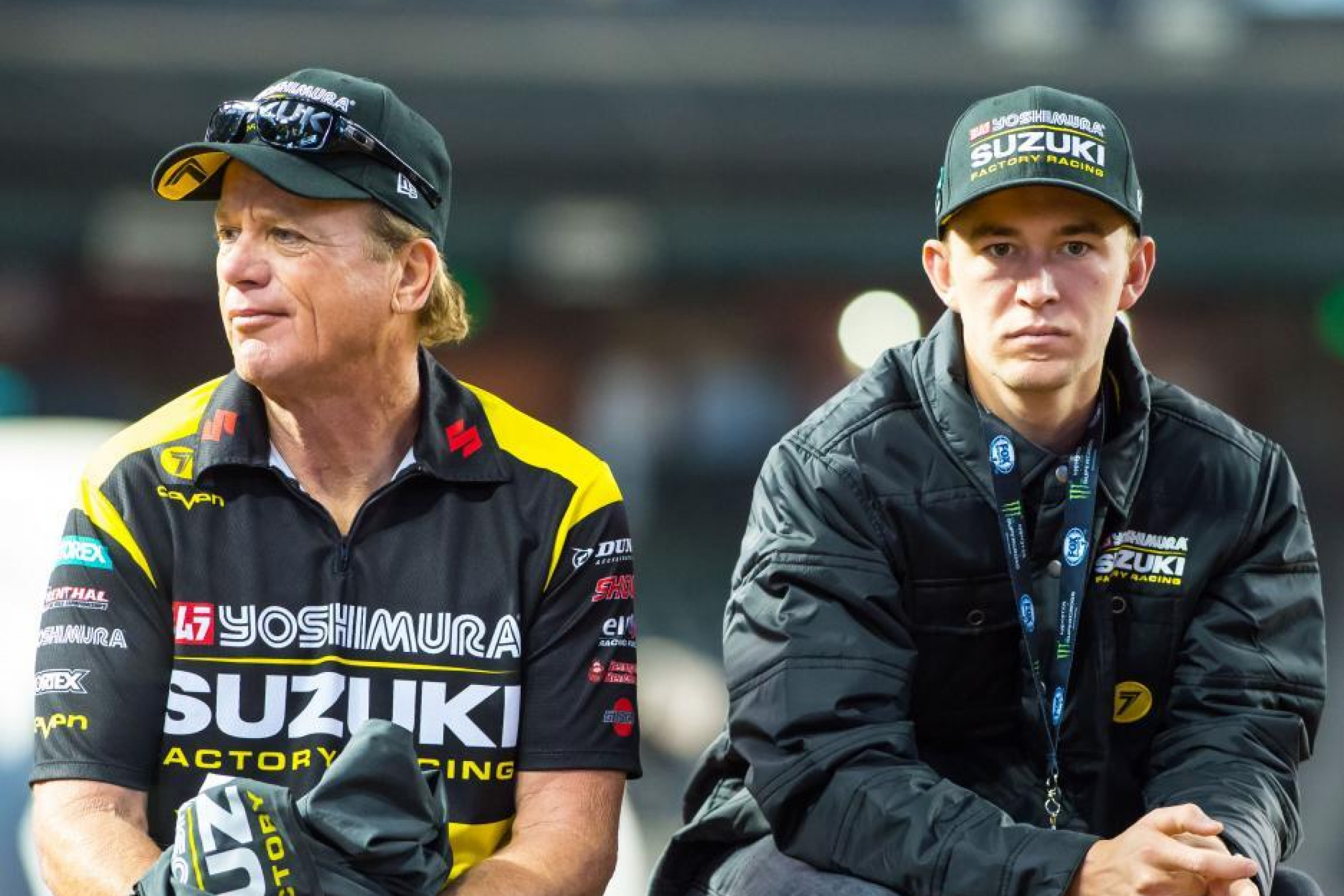
 Exhaust Podcast The Ex Team ManagerMike Webb was a Suzuki team manager for decades, from GNCC titles to Ryan Dungey and James Stewart. He sits down with Jason Weigandt to unpack the stories.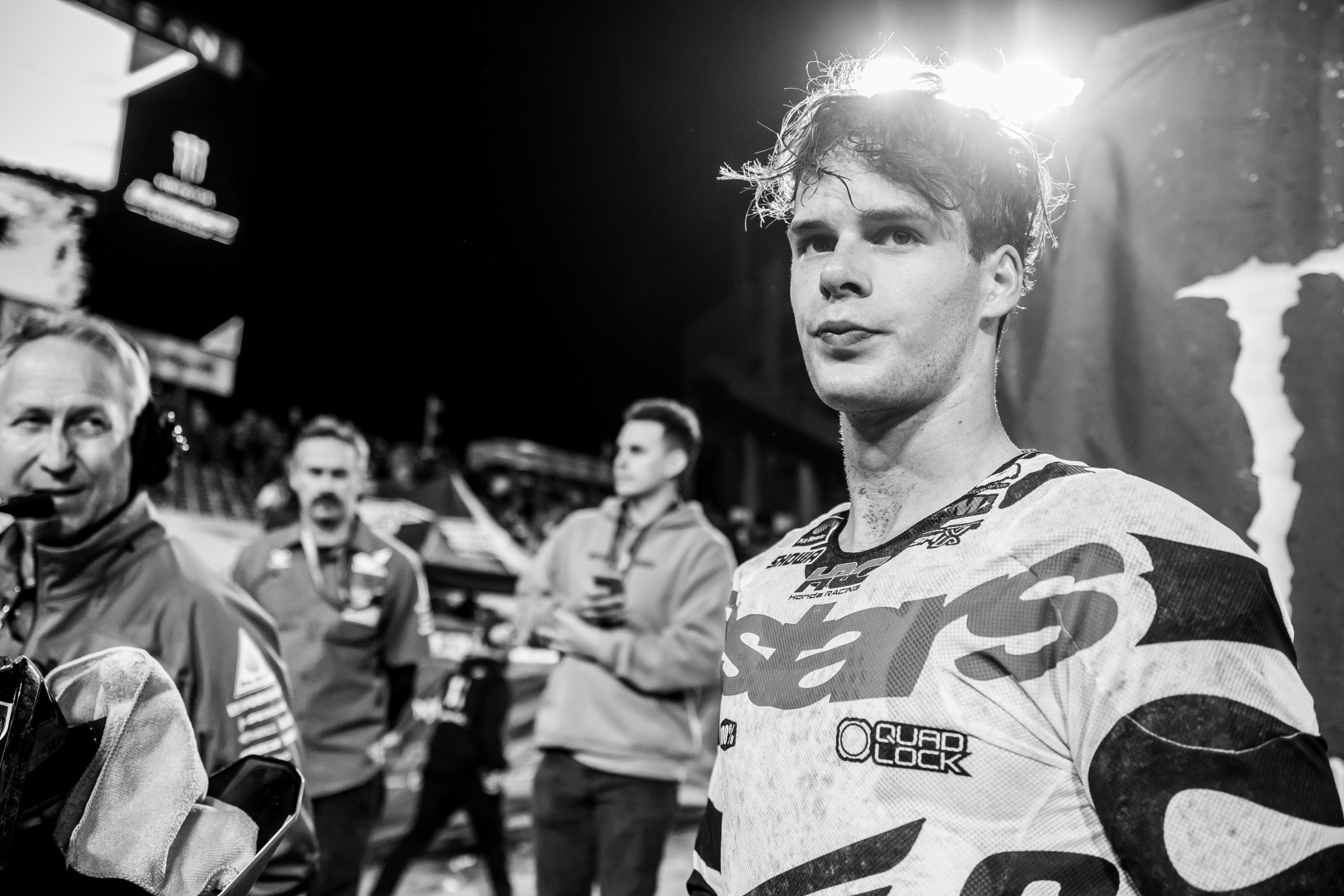
 Staging Area PhiladelphiaFirst race ever at Lincoln Financial Field. Jason Thomas previews the track, with some criticisms.
 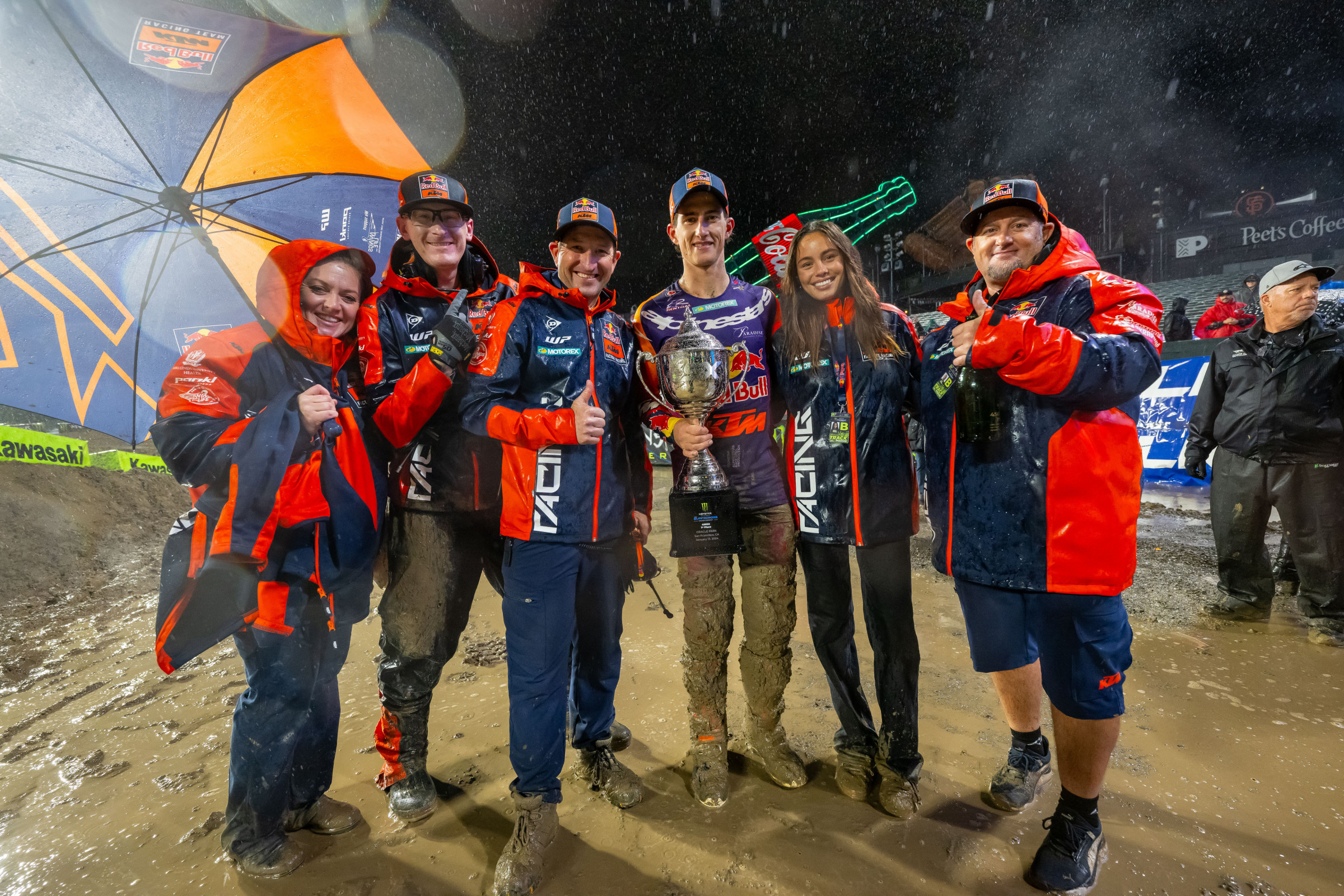 Fly Racing Racer X Podcast Keir SextonChase Sexton’s father talks about the move to KTM, working closely with your kid, how to balance racing and home life, their GEICO Honda days, and more.
 Observations NashvilleMatthes with some silly season rumors, and opinions on exploding shocks and stuck throttles.
 Latest News
- Top News
![Ken Roczen Out for Remainder of Supercross Following Nashville SX Crash]() Supercross Ken Roczen Out for Remainder of Supercross Following Nashville SX Crash
Supercross Ken Roczen Out for Remainder of Supercross Following Nashville SX Crash- Thursday, April 25
![McAdoo Out for Remainder of Supercross]() Supercross McAdoo Out for Remainder of Supercross
Supercross McAdoo Out for Remainder of Supercross![Andrea Bonacorsi Moves Up to MXGP Class for Remainder of 2024 Season]() MXGP Andrea Bonacorsi Moves Up to MXGP Class for Remainder of 2024 Season
MXGP Andrea Bonacorsi Moves Up to MXGP Class for Remainder of 2024 Season- Wednesday, April 24
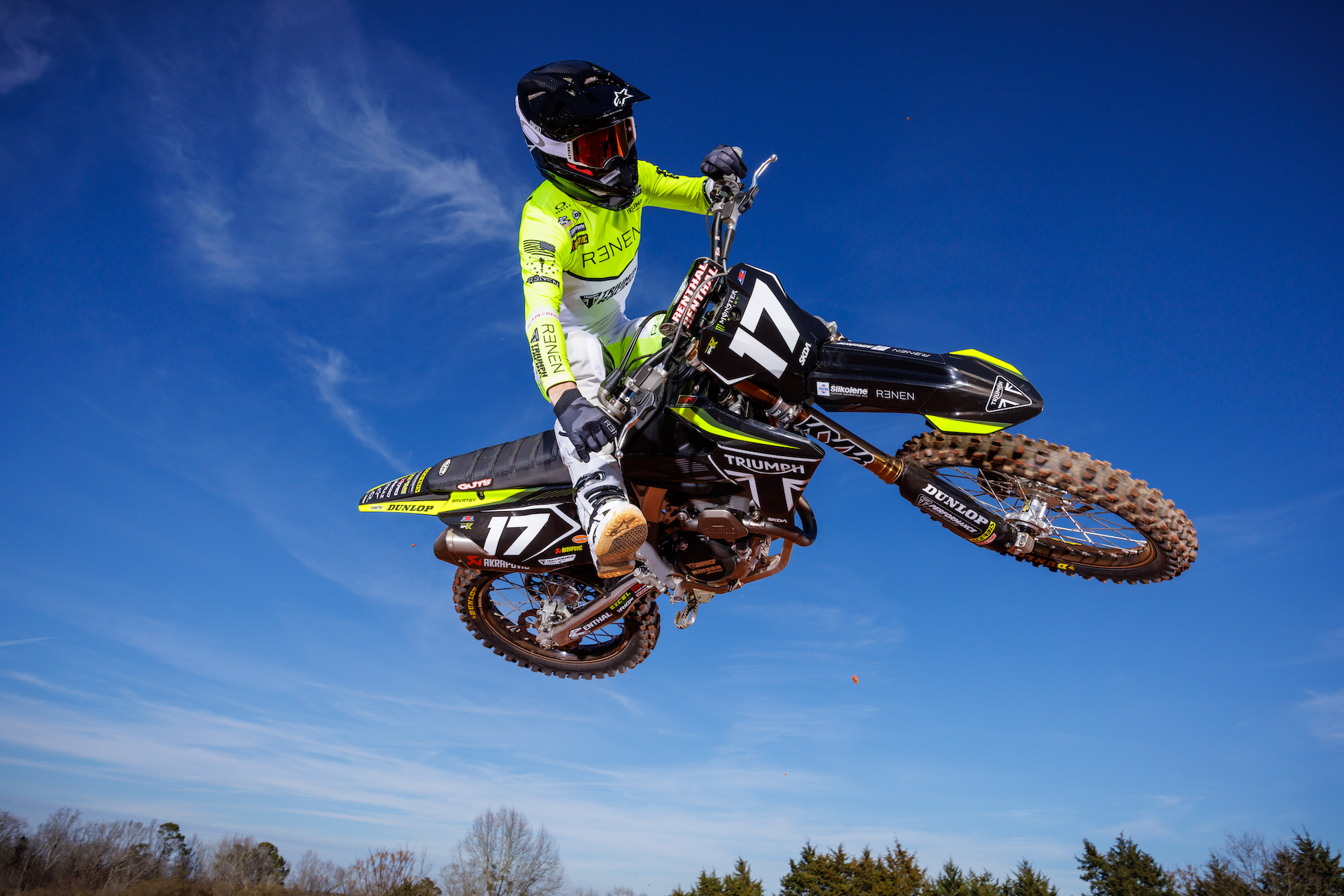
![Joey Savatgy to Debut Triumph TF 250-X in AMA Motocross at Fox Raceway Opener]() Motocross Joey Savatgy to Debut Triumph TF 250-X in AMA Motocross at Fox Raceway Opener
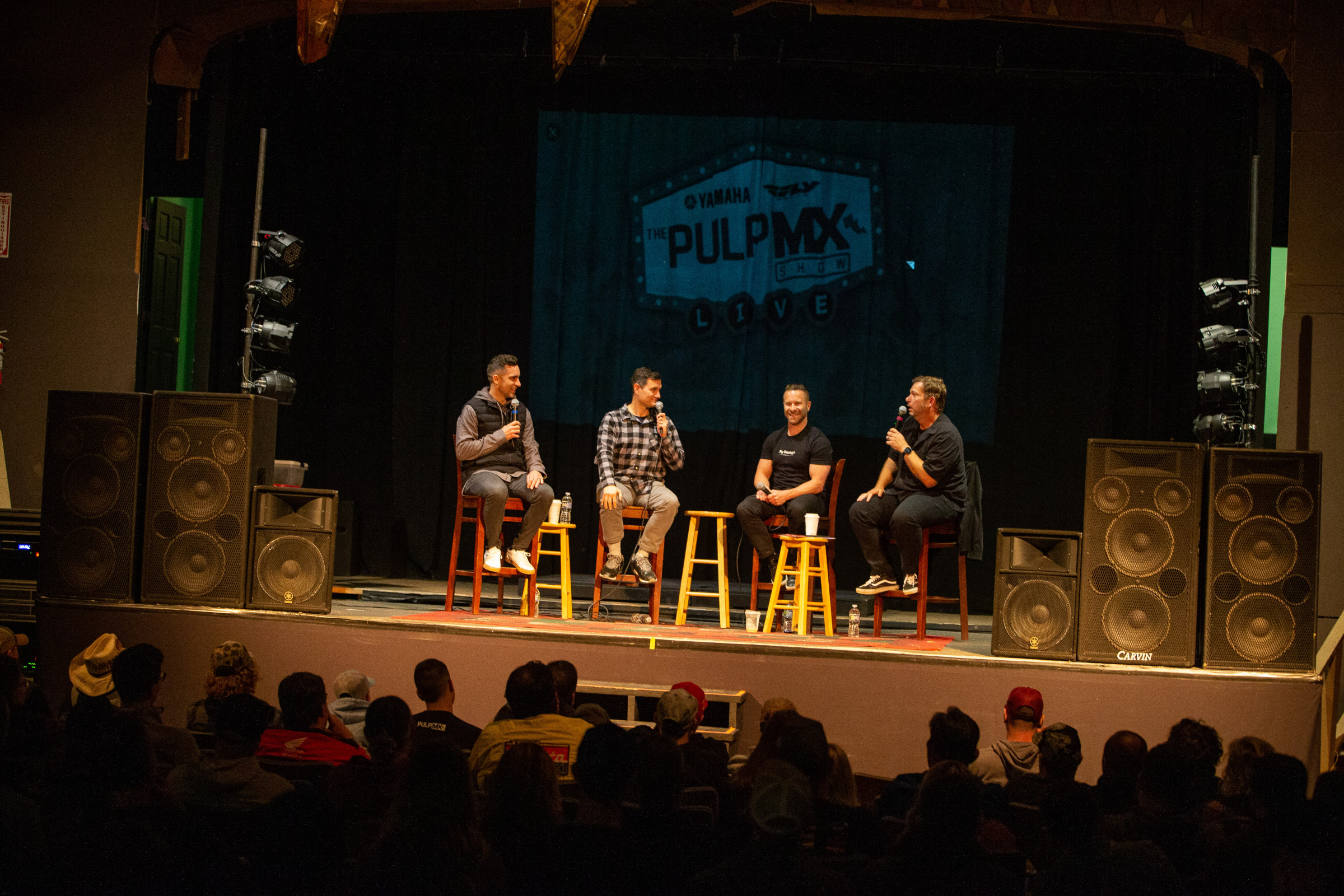
Motocross Joey Savatgy to Debut Triumph TF 250-X in AMA Motocross at Fox Raceway Opener![Live PulpMX/Racer X Show Friday Night Before Denver SX — Get Tickets Now!]() Live PulpMX/Racer X Show Friday Night Before Denver SX — Get Tickets Now!
Live PulpMX/Racer X Show Friday Night Before Denver SX — Get Tickets Now!![$20 Credit: AMSOIL Hoosier GNCC Online Registration closes TODAY!]() GNCC $20 Credit: AMSOIL Hoosier GNCC Online Registration closes TODAY!
GNCC $20 Credit: AMSOIL Hoosier GNCC Online Registration closes TODAY!![Philadelphia SX is a Day Race: Heats at 3 p.m. Eastern, View TV Broadcast Info]() Supercross Philadelphia SX is a Day Race: Heats at 3 p.m. Eastern, View TV Broadcast Info
Supercross Philadelphia SX is a Day Race: Heats at 3 p.m. Eastern, View TV Broadcast Info![Team HRC MXGP Part Ways with Roan van de Moosdijk]() MXGP Team HRC MXGP Part Ways with Roan van de Moosdijk
MXGP Team HRC MXGP Part Ways with Roan van de Moosdijk- Tuesday, April 23
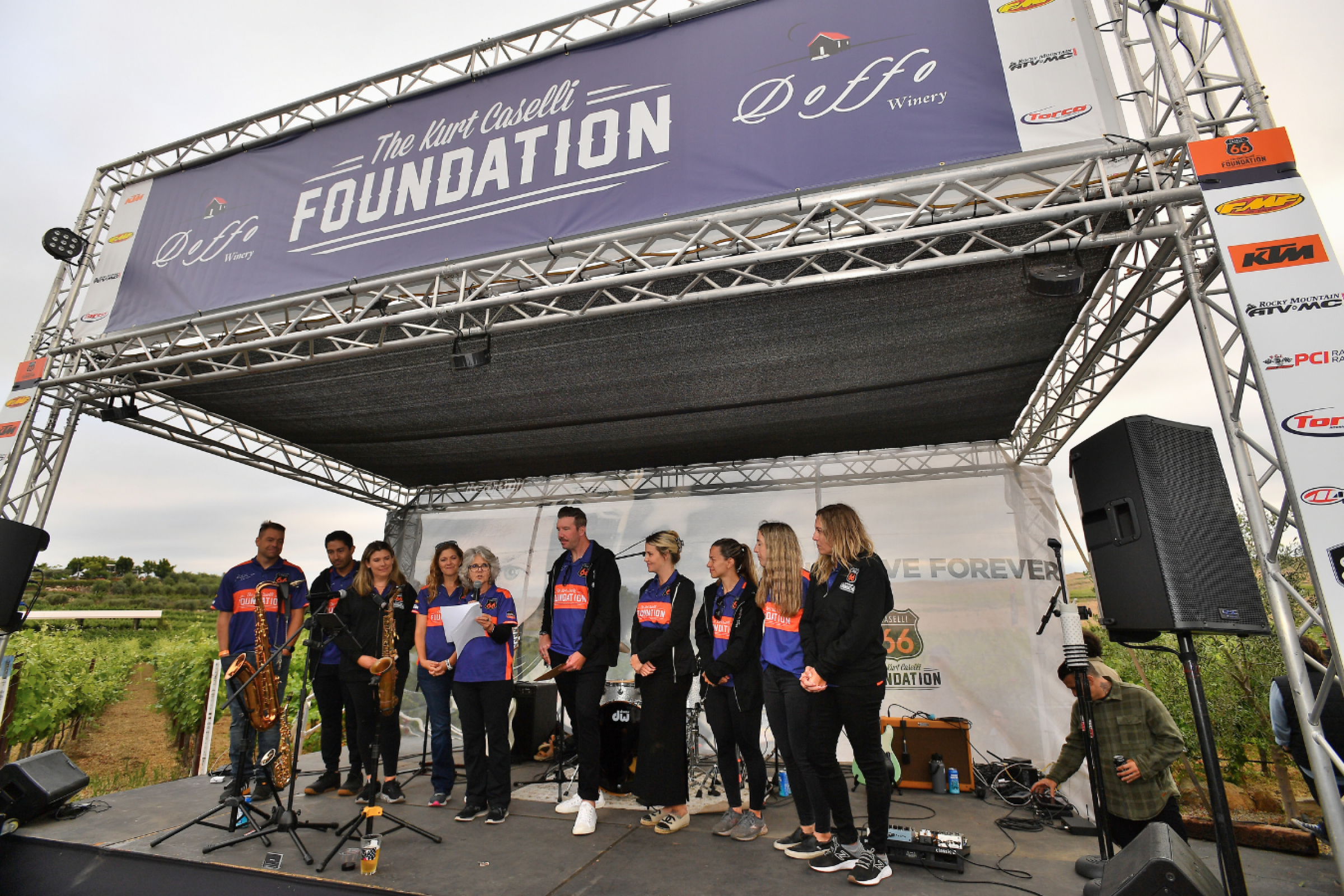
![10th Annual Kurt Caselli Foundation MotoDoffo Event – Tickets Open Today!]() 10th Annual Kurt Caselli Foundation MotoDoffo Event – Tickets Open Today!
10th Annual Kurt Caselli Foundation MotoDoffo Event – Tickets Open Today!- Monday, April 22
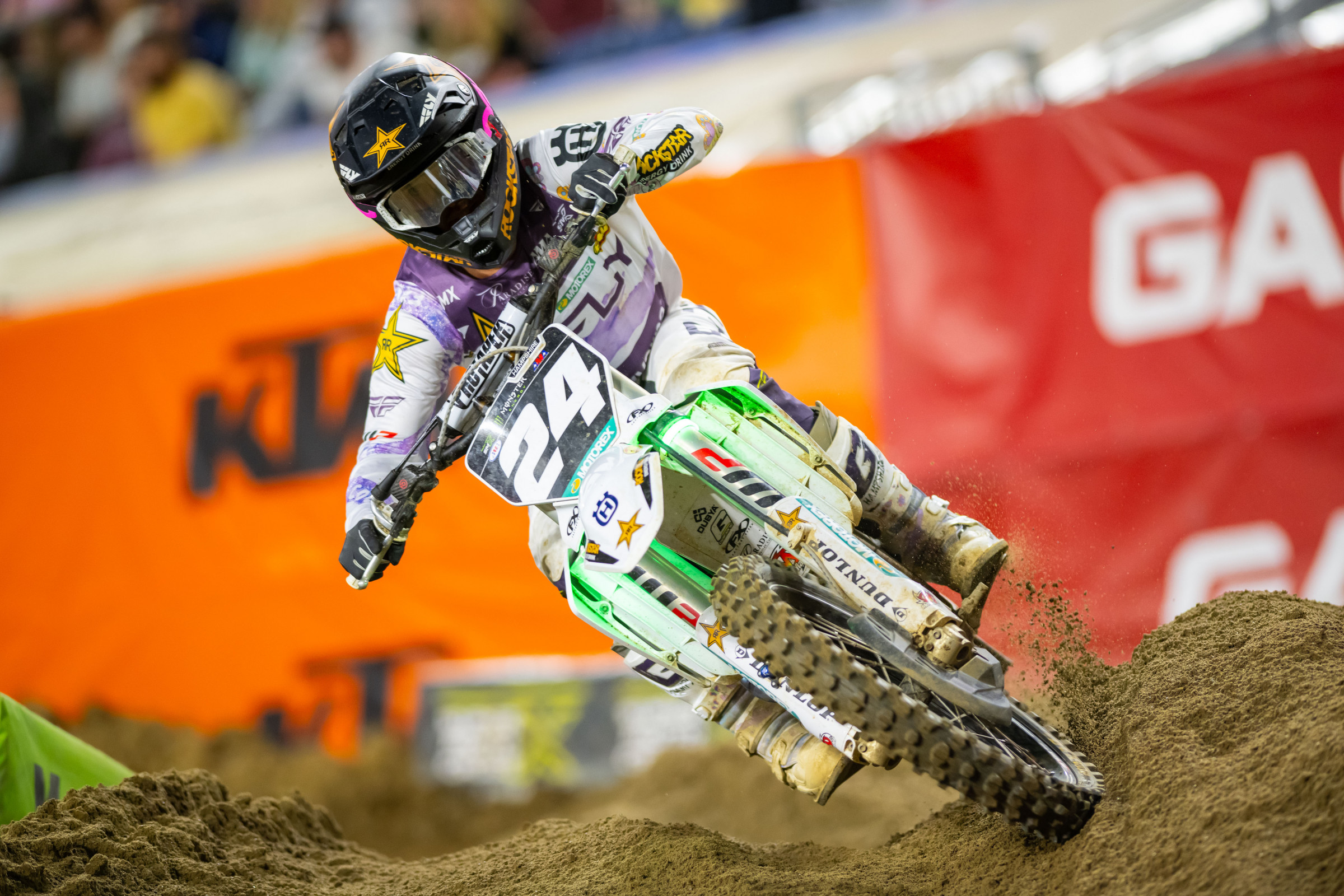
![Hampshire, Nicoletti, Ferry, Emler Jr., and More on PulpMX Show Tonight]() Industry News Hampshire, Nicoletti, Ferry, Emler Jr., and More on PulpMX Show Tonight
Industry News Hampshire, Nicoletti, Ferry, Emler Jr., and More on PulpMX Show Tonight![Complete A Quick Survey And Be Entered To Win One Of 29 Prizes!]() Sponsored Complete A Quick Survey And Be Entered To Win One Of 29 Prizes!
Sponsored Complete A Quick Survey And Be Entered To Win One Of 29 Prizes! ![Watch Plessinger at Home: THOR's In Focus]() Supercross Watch Plessinger at Home: THOR's In Focus
Supercross Watch Plessinger at Home: THOR's In Focus![Watch: Nashville Supercross Video Highlights & Results]() Supercross Watch: Nashville Supercross Video Highlights & Results
Supercross Watch: Nashville Supercross Video Highlights & Results- Sunday, April 21
![Sexton, Roczen, Marchbanks Injury Updates After Nashville SX]() Sexton, Roczen, Marchbanks Injury Updates After Nashville SX
Sexton, Roczen, Marchbanks Injury Updates After Nashville SX![Weege Show: Nashville Wrap Up and the Lucky Pocket Square]() Supercross Weege Show: Nashville Wrap Up and the Lucky Pocket Square
Supercross Weege Show: Nashville Wrap Up and the Lucky Pocket Square- Saturday, April 20
![Aaron Plessinger Signs Extension with KTM for 2025]() Supercross Aaron Plessinger Signs Extension with KTM for 2025
Supercross Aaron Plessinger Signs Extension with KTM for 2025![Evan Ferry and Triumph Racing Part Ways]() Supercross Evan Ferry and Triumph Racing Part Ways
Supercross Evan Ferry and Triumph Racing Part Ways![Seth Hammaker (Shoulder) Sidelined for Nashville Supercross]() Supercross Seth Hammaker (Shoulder) Sidelined for Nashville Supercross
Supercross Seth Hammaker (Shoulder) Sidelined for Nashville Supercross- Friday, April 19
![Weege Show: Nashville Preview with the KTM Gang]() Supercross Weege Show: Nashville Preview with the KTM Gang
Supercross Weege Show: Nashville Preview with the KTM Gang![All Balls Racing Group Offers New Cylinder Kit]() Sponsored All Balls Racing Group Offers New Cylinder Kit
Sponsored All Balls Racing Group Offers New Cylinder Kit








Videos
 3 on 3 Can you spell "Cianciarulo"?Who is the best golfer in the paddock? Can you name a New England Patriots Player? Can you spell “Cianciarulo”? Schock, Locurcio, and Nicoletti answer.
 First Look Nashville PreviewTom Journet and Mitch Kendra caught up to Kitchen, McAdoo, Brown, Romano, and Moranz to preview the Nashville Supercross.
  Racer X Films Webb's New ApproachHow often are the points tied this late? Plus, surprise lap time data and some 250SX analysis from Foxborough.
 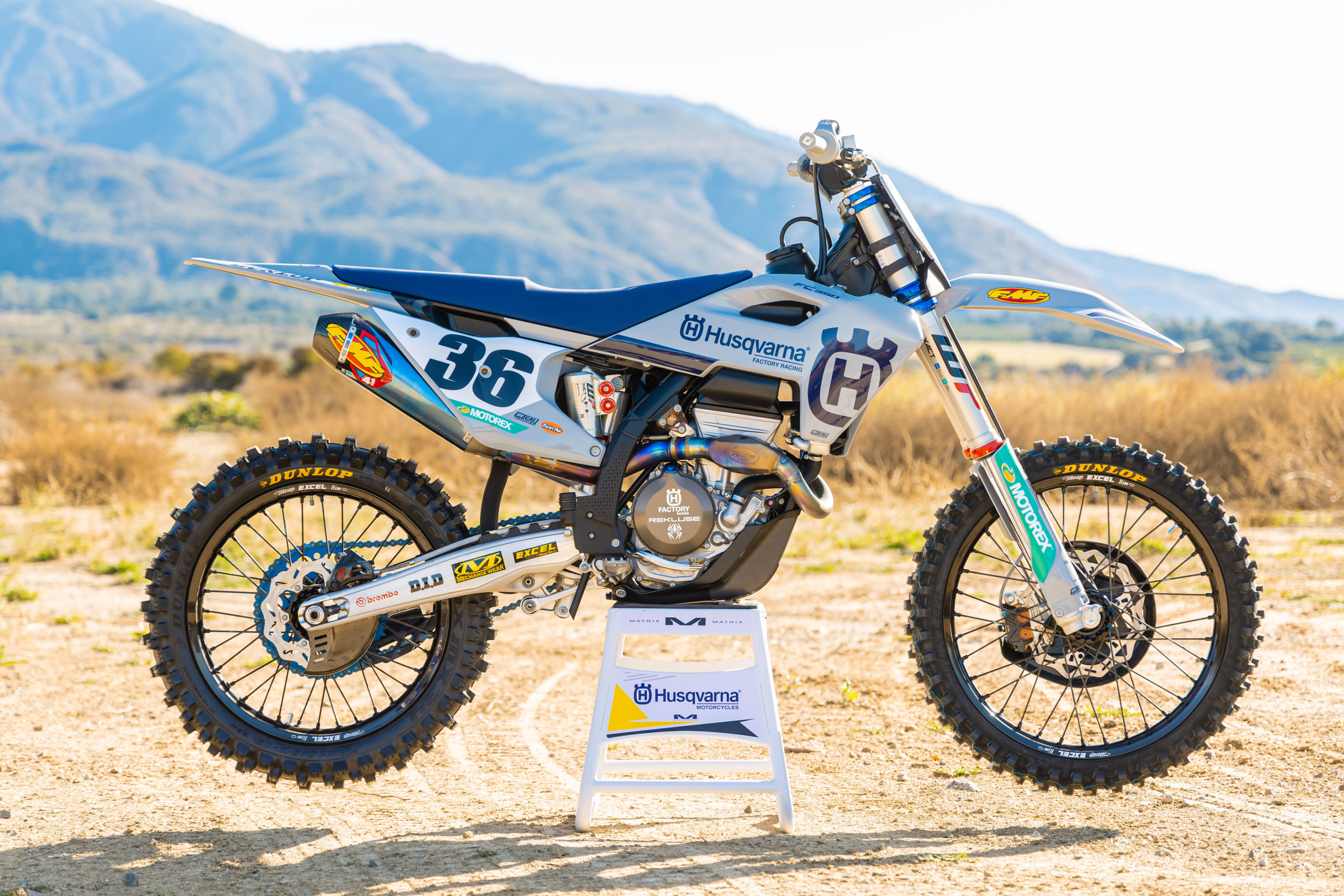 Racer X Films 2024 Husqvarna FC 350 Garage BuildWe build a Husqvarna FC 350 with most of the technical accessories available from Husqvarna.
 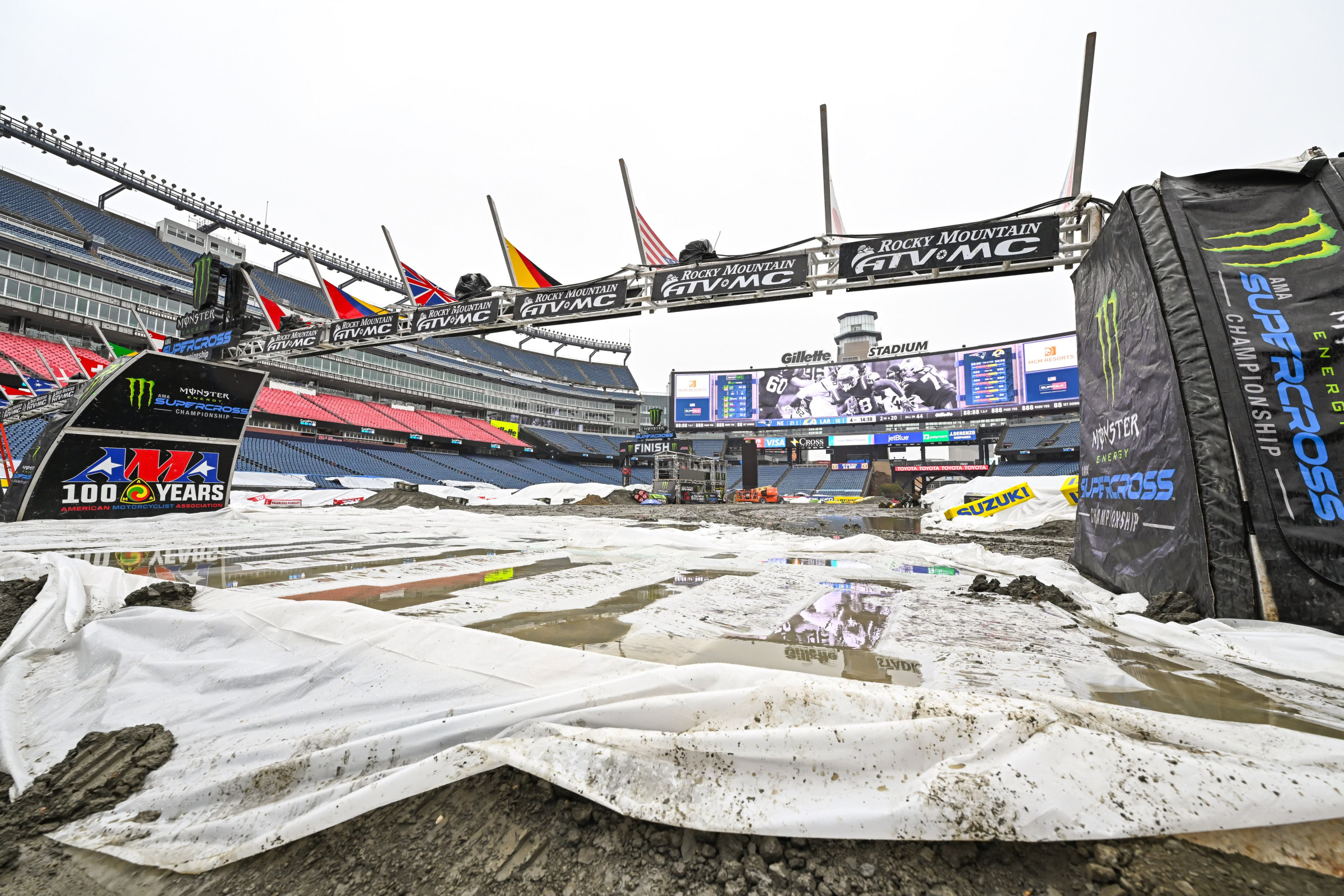 First Look Foxborough PreviewTom Journet and Mitch Kendra caught up to McAdoo, Cochran, Schock, Locurcio, Harrison, Vialle, and Hammaker to preview the Foxborough Supercross.
  Racer X Films 2024 GasGas MC 450F Factory Edition TestHow does the updated frame on the GasGas (and KTM and Husqvarna) machines feel to the previous, stiffer frame? Keefer and Laret dig in.
